


The use of essential oils for horses is becoming increasingly important in modern horsekeeping. The special plant substances are mainly used as part of alternative care concepts and to supplement the daily feed.
They promise support for digestion, respiration or behavior – without any synthetic additives. Nature-conscious horse owners in particular appreciate the herbal approach as part of a holistic care concept.
However, despite their increasing popularity, many users are unsure how to handle the concentrated substances. You can find out exactly what is behind this in this article.
How effective are the plant substances really? And what needs to be considered when using them?
What are essential oils for horses and where do they come from?
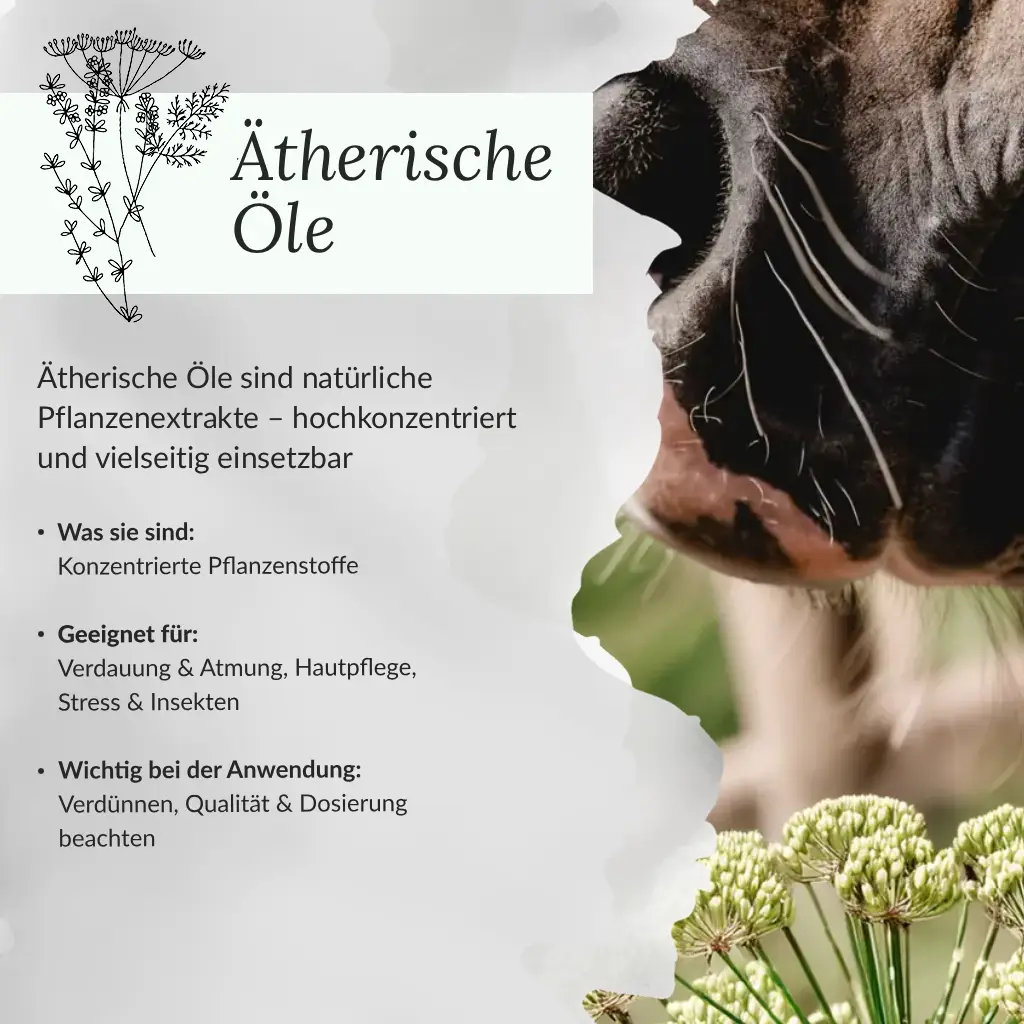
Essential oils are highly concentrated, secondary plant substances. They are extracted from flowers, leaves or peels using processes such as distillation or cold pressing. The essences contain the volatile fragrances that plants use to attract insects or ward off parasites.
Their composition varies depending on the type of plant, soil conditions, climate and time of harvest – all these factors influence the quality and effect of the oils.
High-quality essential oils often come from controlled cultivation in regions with optimal growing conditions, for example in the Mediterranean or at certain altitudes.
For use in animals, it is therefore not only the choice of the right oil that is crucial, but also its purity and traceability.
Depending on the plant of origin , essential oils can:
- Reassuring,
- antibacterial,
- antioxidant
- or have a stimulating effect on the metabolism.
What makes essential oils special?
Essential oils contain the characteristic fragrances and functional plant constituents in particularly high concentrations. Large quantities of plant material are often required for just a few drops of oil
.
This intensity explains their versatility – but also makes appropriate and moderate use necessary.
It is particularly noteworthy that essential oils can have a supportive effect both on a physical level and on the animal’s behavior.
Essential oils in horse feed
Essential oils such as oregano or thyme are also increasingly being used in feeding
. You can:
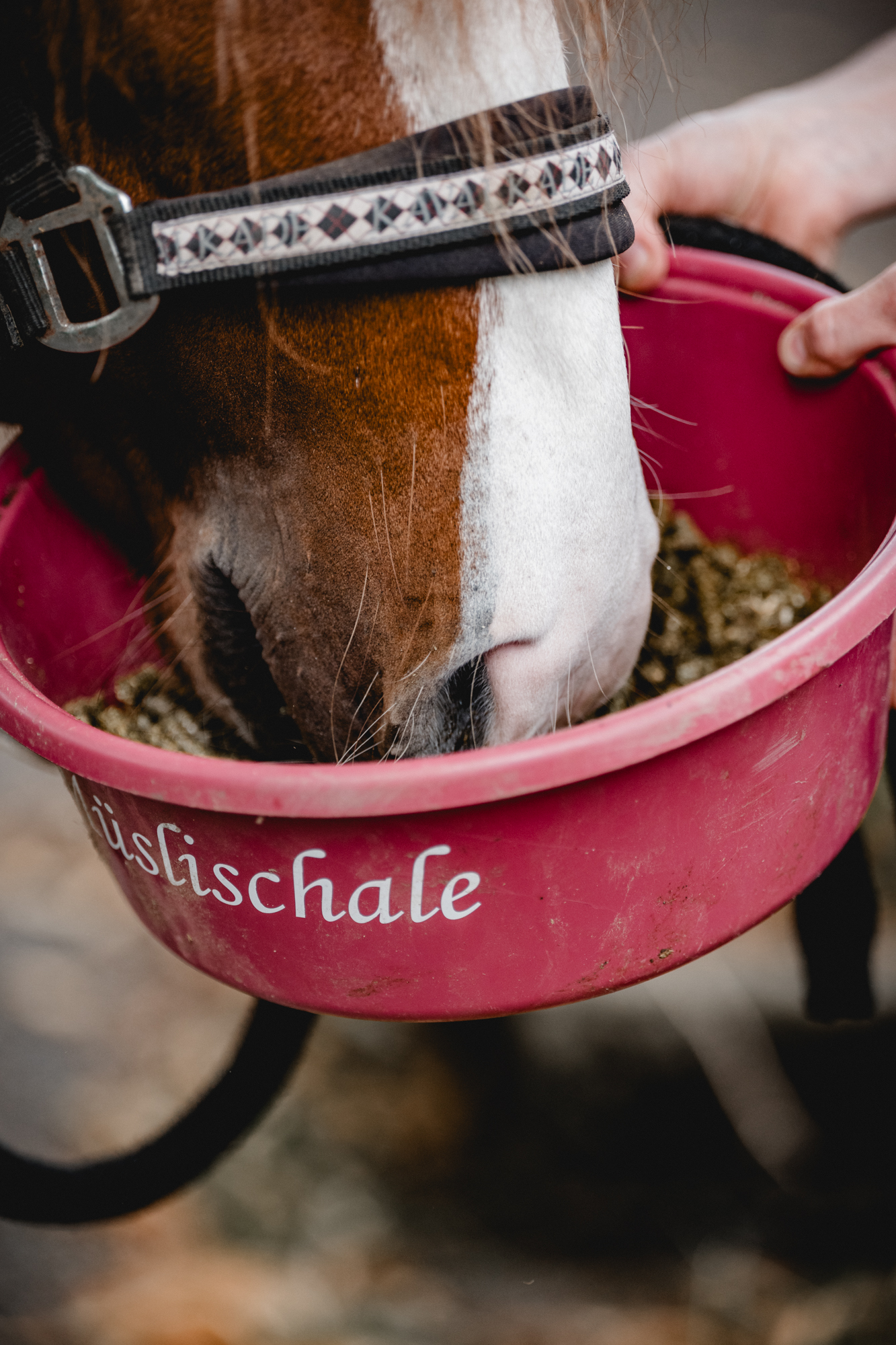
- promote feed intake, especially in older or sick animals.
- Relieve digestive or stomach problems.
Important: Essential oils should never be added directly to food, but should always be highly diluted and used in consultation with a specialist. It is also advisable to trust established manufacturers who rely on controlled cultivation and offer safe products.
What are essential oils suitable for in horses?
Essential oils can also have a beneficial effect on horses. Thanks to their small molecular structure, the components quickly enter the bloodstream via the mucous membrane and in this way reach the finest branches. Many horse owners already rely on the positive effect of essential oils. We have summarized here what they can be used for:
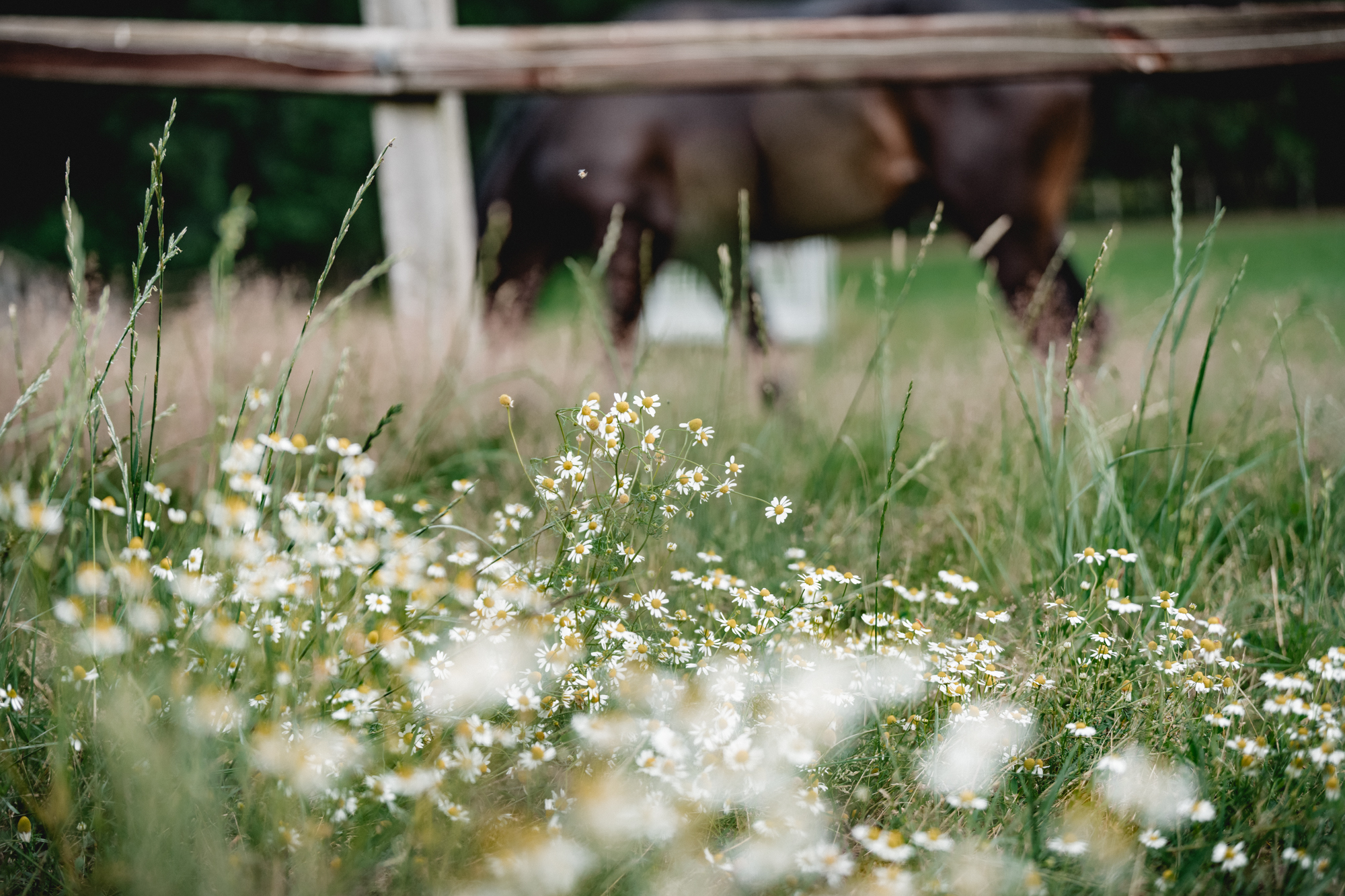
Relaxation and stress relief: In stressful situations, calming essential oils of lavender or camomile can be used to strengthen the horse’s nervous system.
Wound healing, skin and coat care: Tea tree oil and calendula are known for their antiseptic properties, can help with minor wounds and contribute to skin and coat health.
Insect repellent: lemongrass or eucalyptus have proven themselves as natural insect repellents and are an environmentally friendly alternative to chemical insecticides.
Respiratory health: For respiratory problems, essential oils of thyme, aniseed or licorice root can have a supportive effect due to their antispasmodic, expectorant and anti-inflammatory properties.
Stomach and intestinal health: Oregano, chamomile and peppermint essential oils support stomach and intestinal health through their antimicrobial, antifungal and antispasmodic properties.
Immune system: Oregano oil can also help to strengthen the immune system thanks to its high antioxidant power.
What should you pay attention to when using it?
Even though many horse owners rely on the support of essential oils, caution is required when using them. If used incorrectly, essential oils can cause side effects such as skin irritation or breathing difficulties.
Our tips: Dose according to the principle “less is more”, consult a vet or nutritional expert, pay attention to the quality and origin of the oil and be particularly careful with sensitive horses.
Supplementary feed with essential oils from DOSTOFARM®
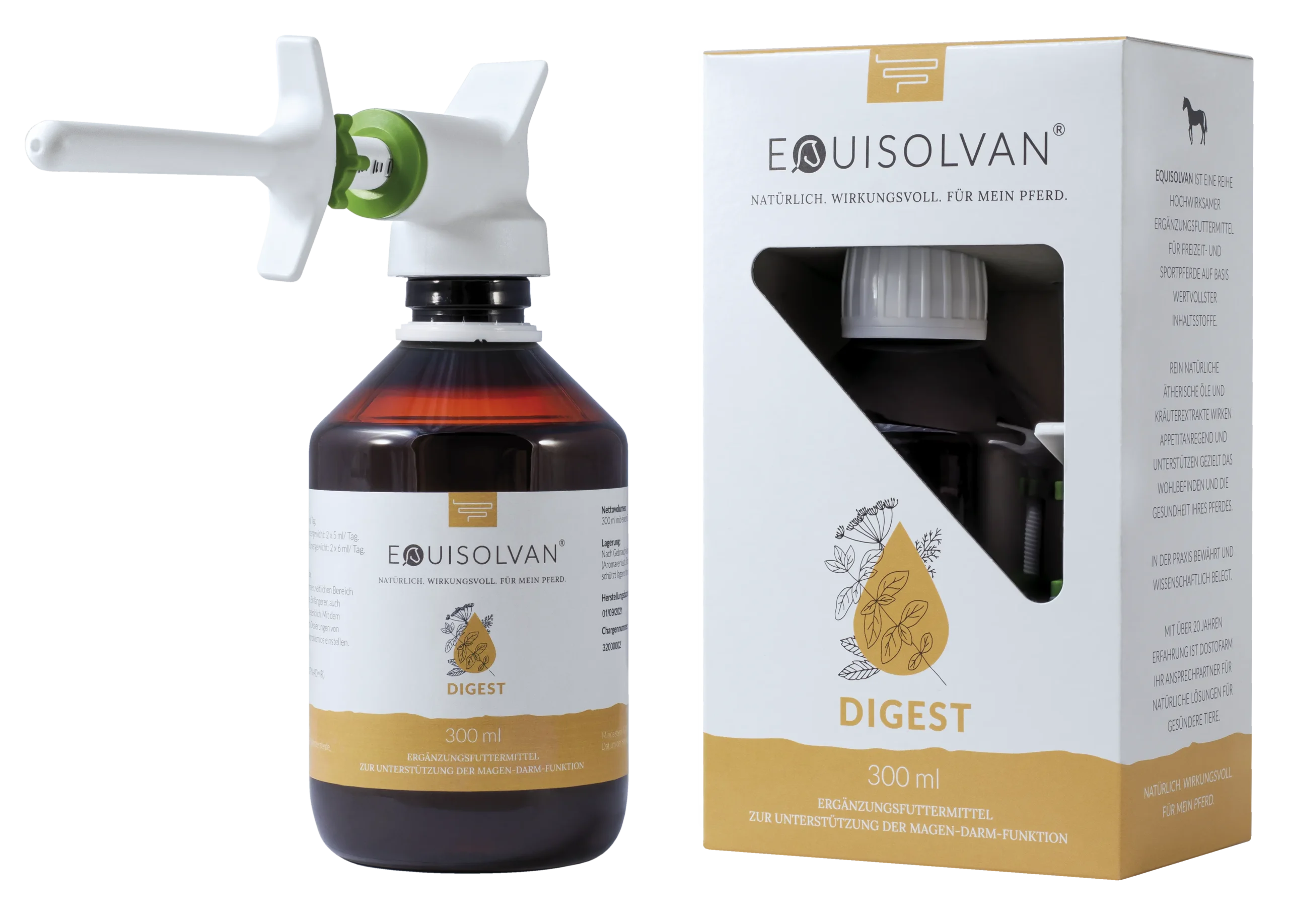
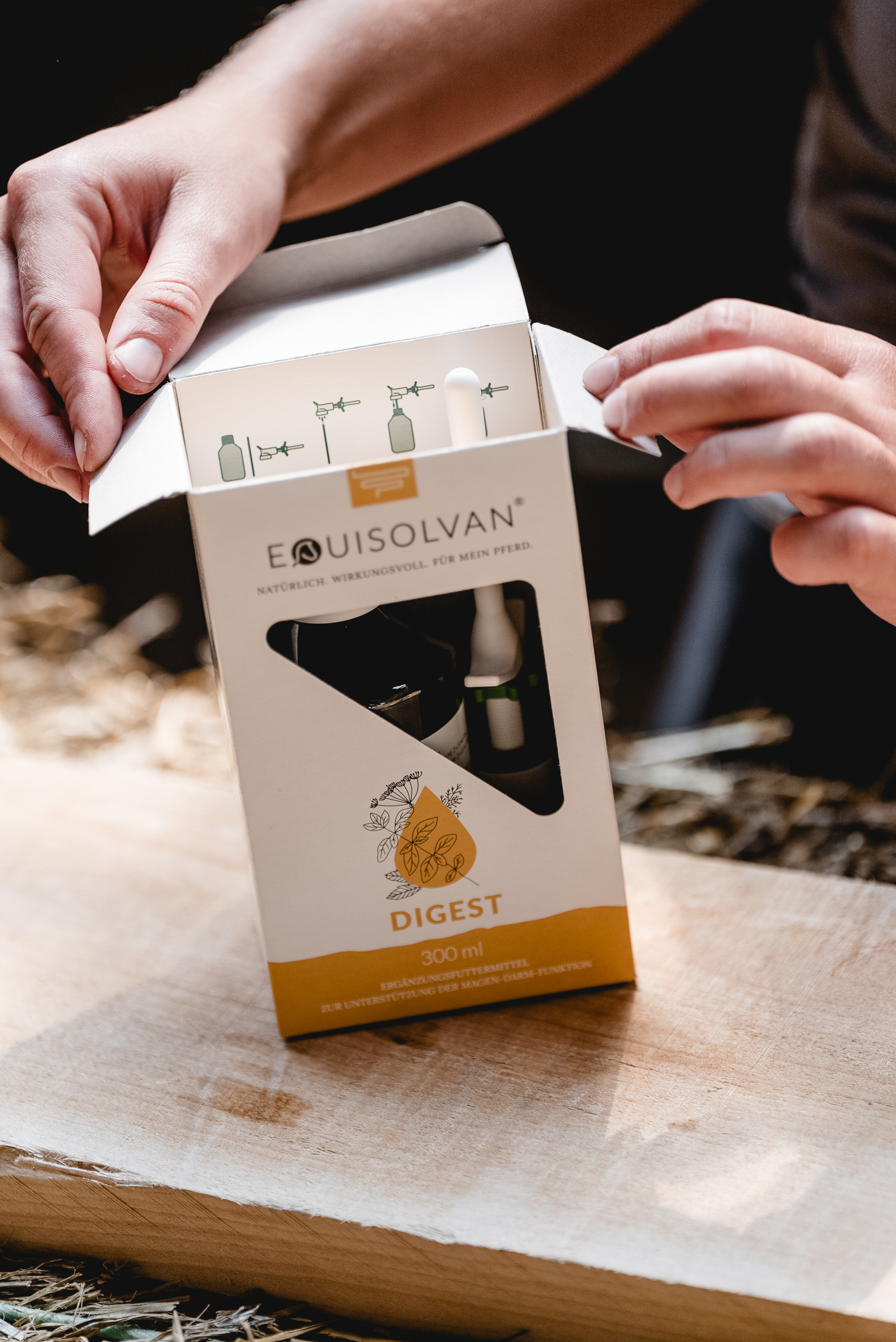
EQUISOLVAN® DIGEST is a feed supplement to support intestinal health in horses. The essential oils it contains – including oregano, peppermint, aniseed and camomile – promote a stable digestive system and help to maintain the balance of the intestinal flora. The product is ideal for daily feeding, especially in stressful situations or when changing feed.
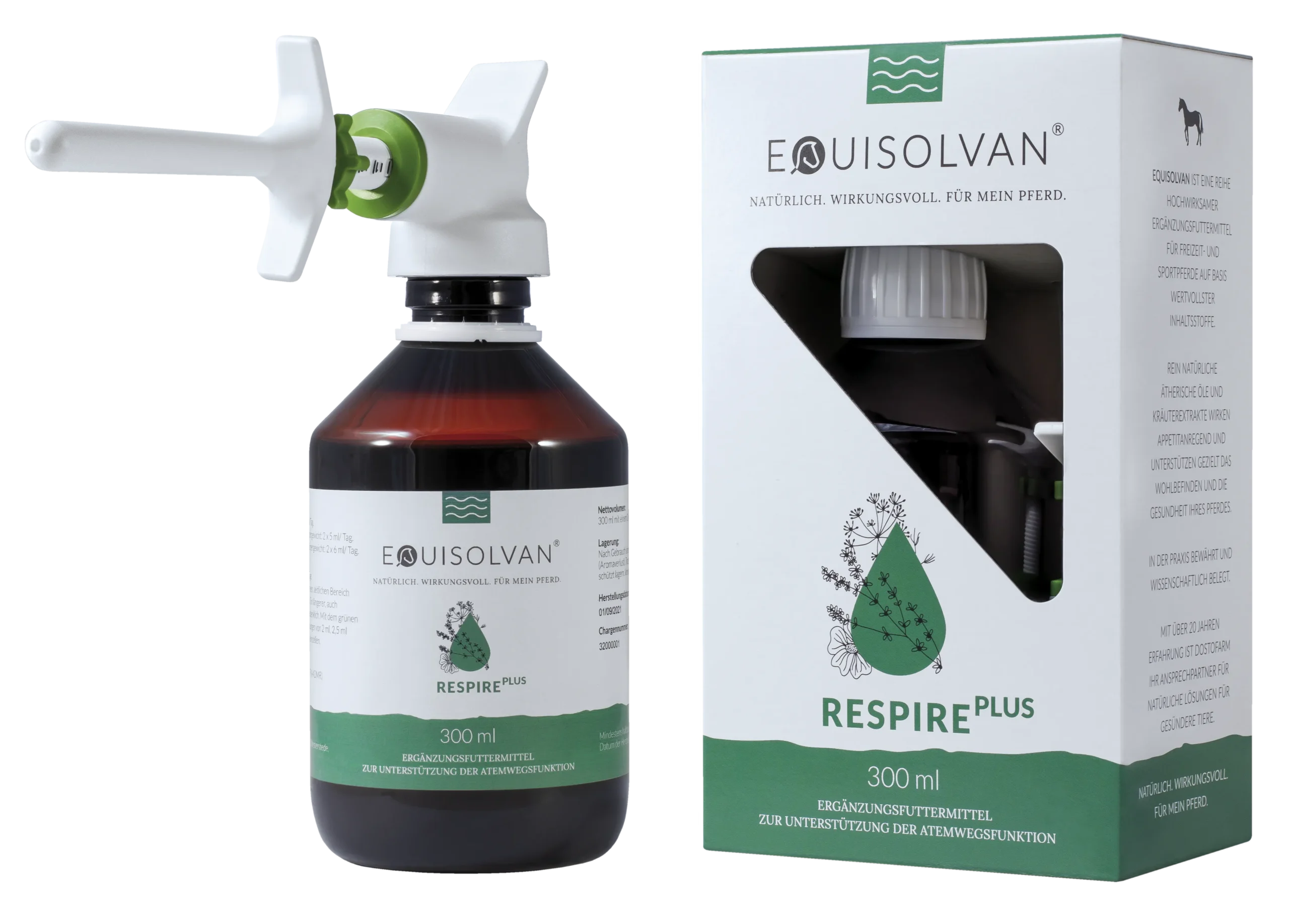
EQUISOLVAN® RESPIREPLUS is a concentrated feed supplement to support the respiratory tract in horses. The combination of natural essential oils – such as thyme and aniseed – and plant extracts such as licorice root extract can promote respiratory health in a natural way. It is easy to administer with a dosing syringe directly into the mouth.
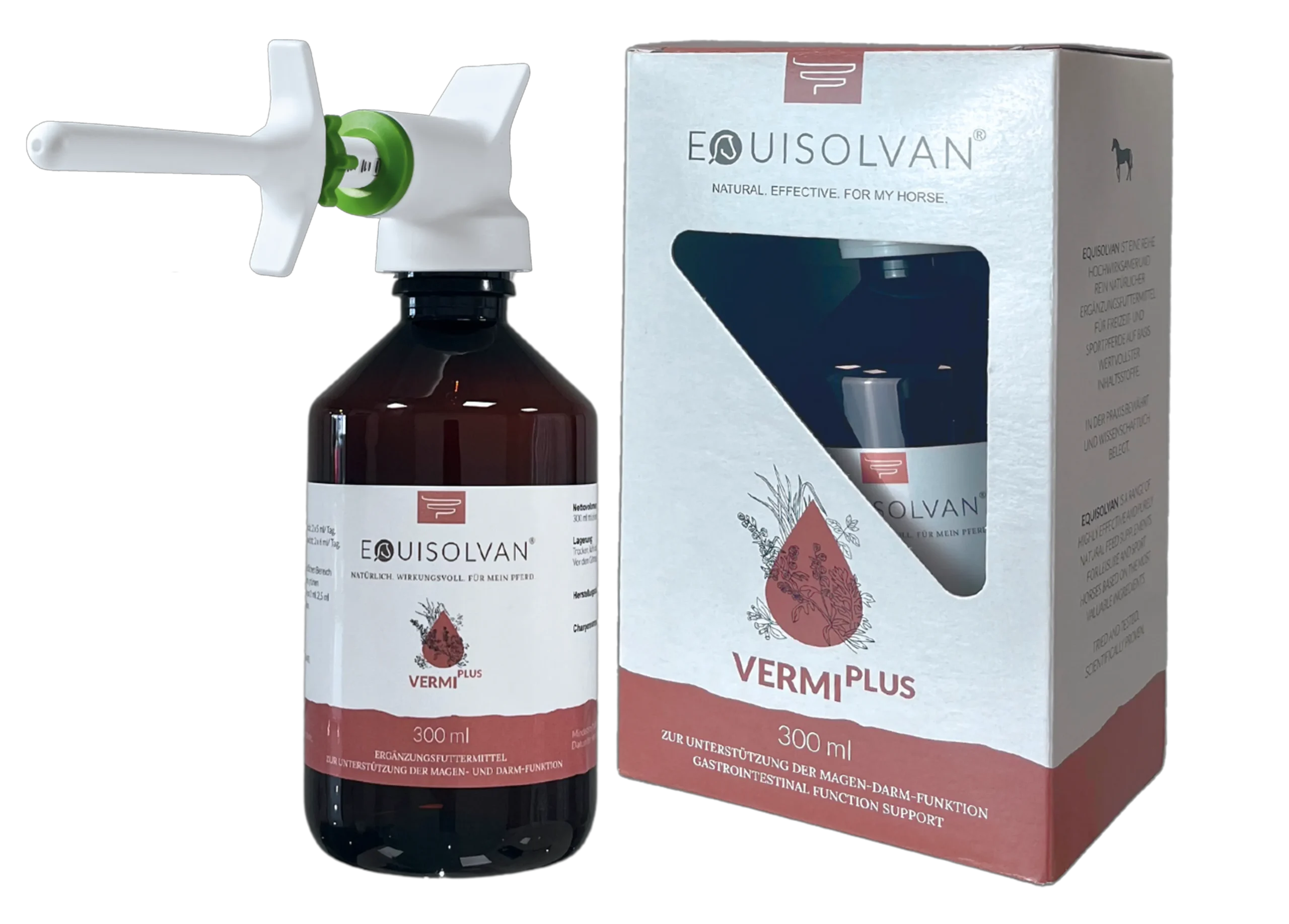
EQUISOLVAN® VERMIPLUS is a herbal feed supplement to support a stable intestinal environment in horses – particularly suitable in cases of increased parasitic pressure. Oregano oil and selected bitter and pungent substances help to promote the natural balance in the gastrointestinal tract. The liquid formulation makes it easy to administer directly into the mouth using the dosing syringe.
Supplementary feed with essential oils from DOSTOFARM®
For over 25 years, DOSTOFARM® has stood for natural solutions with scientific standards. Thanks to our own herb cultivation – for example for our tried and tested oregano oil – as well as consistent quality control and international certifications, we guarantee the highest level of product safety and effectiveness